One of the questions I get asked most often is: “What do you eat to do all this?” Between training as a powerlifter and preparing for the mountains, food is fuel — and as a fourteen-year-old who is still growing, eating well matters even more. So here is an honest, simple look at how I think about food. One quick note first: I am an athlete sharing my own routine, not a doctor or dietitian. Every young person's needs are different, so this is my story, not a prescription.
Food is fuel, not punishment
The most important thing my family taught me about eating is a healthy attitude: food is something that helps me — it gives me energy to train, to recover, and to grow. I do not count every little thing or stress about it. I focus on eating enough good, home-cooked food, staying hydrated, and listening to my body.
A normal training day
Here is roughly how a normal day of eating looks for me. It is simple, mostly traditional Indian home food — nothing fancy or imported.
- Morning. I start with a proper breakfast — things like milk, eggs or paneer, and a wholegrain base such as roti, poha, or oats. Breakfast sets up the whole day, so I never skip it.
- Mid-day. A full home-cooked lunch — dal, sabzi, rice or roti, curd, and a good helping of vegetables. This is my biggest meal, especially on heavy training days.
- Around training. Something light before I train so I have energy, and a protein-rich meal afterward to help my muscles recover — usually dal, paneer, eggs, or chicken with my regular food.
- Evening. A balanced dinner, a little lighter than lunch, plus fruit. Seasonal fruit is something I eat a lot of.
- All day. Water, water, water. Hydration is half the game, in the gym and on the mountain.
Eating for the mountains
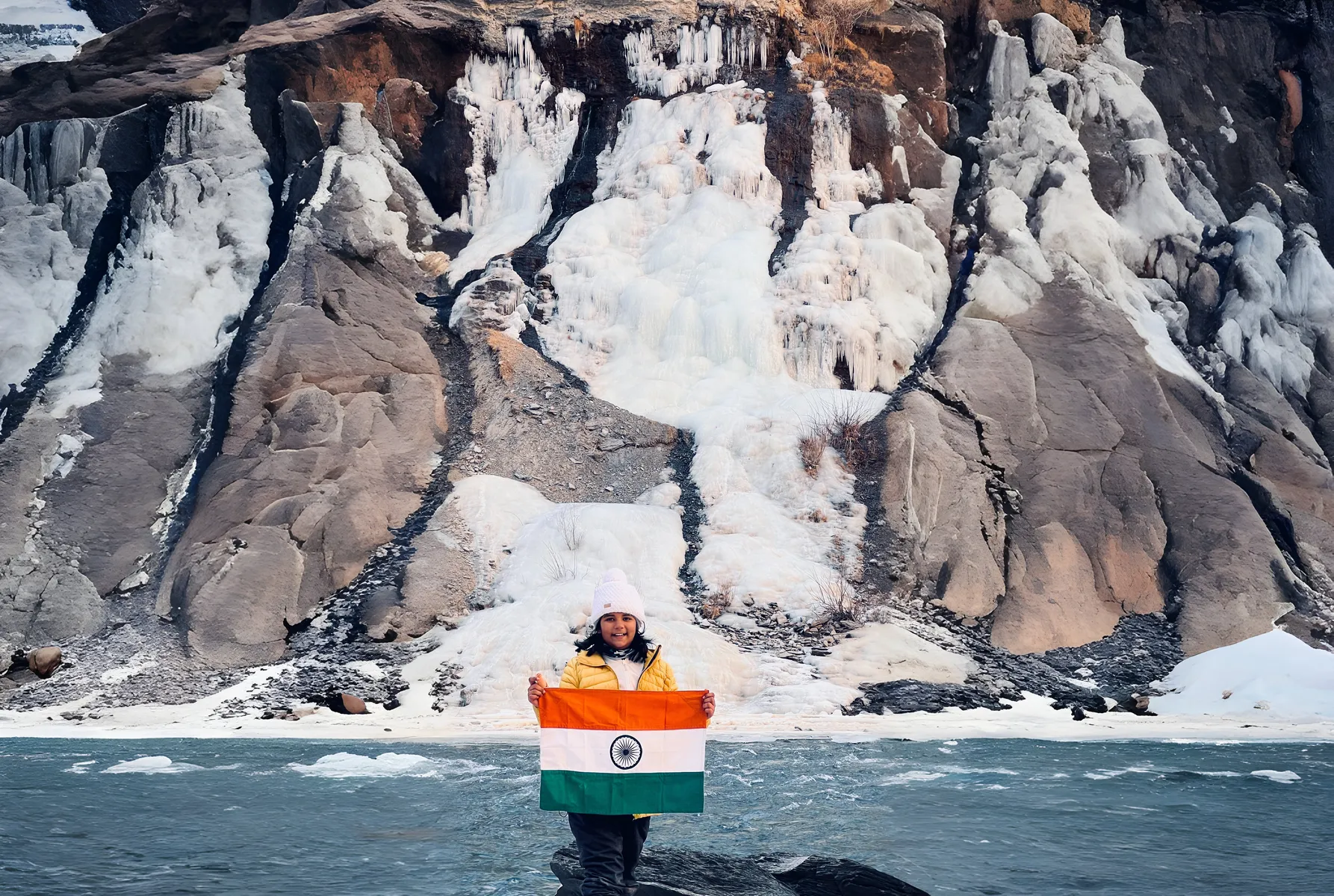
Expedition food is a different world. High up, your appetite can disappear even though your body needs more energy than ever. On treks like the Chadar or Kang Yatse, warm, simple, energy-dense food becomes precious — hot dal-rice, khichdi, soup, dry fruits, and anything that gives quick warmth and energy. Up there, you learn to eat even when you do not feel like it, because food is what keeps you moving.
What I have learned about food and sport
The biggest lesson is the simplest one: there are no shortcuts and no magic foods. Good, regular home food, enough protein to recover, enough carbs to train hard, plenty of water, and proper sleep — that is most of the story. As a growing athlete, eating enough is just as important as training hard. You cannot build strength on an empty tank.
I am lucky to have a family that cooks fresh food and keeps my relationship with eating relaxed and positive. That foundation lets me chase big goals — on the platform and in the mountains — with energy in the tank and a smile on my face.
If you are a young athlete figuring out your own nutrition, the best advice I can give is to talk to your parents and a qualified coach or doctor, and find what works for your body.